
An Experienced Commercial Lease Attorney: Serving Palm Desert Small Businesses
Last updated on June 8, 2026
Opening a small business outside of your home will no doubt require an office or commercial retail space. Finding the perfect location that fits your business needs and attracts the type of customers you desire is not an easy task.
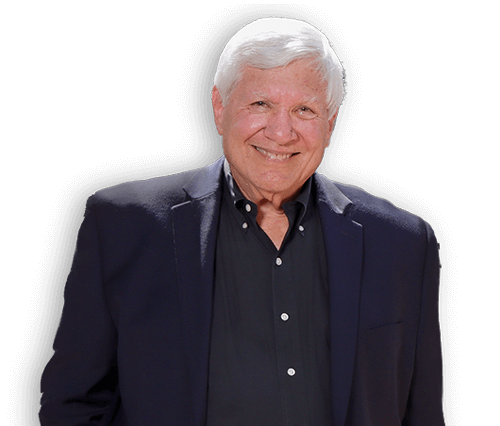
My name is Jerry Goldstein. As a business law attorney, I have dedicated my legal career and practice to helping small business owners. At my firm, the Law Offices of Jerry J. Goldstein, I provide legal counsel and advice to small business owners and entrepreneurs in Palm Desert and the surrounding Coachella Valley communities. If you are debating between purchasing or leasing a commercial space or need assistance negotiating the terms of a commercial lease, I have an intricate understanding of the nuances of commercial leasing for your California-based business.
Do You Purchase Or Lease A Commercial Space?
After you form your business, one of the next important steps for establishing your business is to find a location for your business operations. One option is to purchase a commercial structure, although that will require a good deal of your startup capital. In addition, there are significant ongoing costs involved in maintaining a commercial real estate space. As a result, in general, most entrepreneurs or new business owners will opt to lease a commercial space.
How Is A Commercial Lease Different Than A Residential Lease?
Commercial leases are generally significantly different than residential leases. For instance, a residential lease is usually more open-ended in terms of length, while a commercial lease is more restricted. Other considerations play a factor in commercial leases that may not be present in residential leases, such as the terms of use.
Commercial real estate owners have much discretion in the types of business they might choose to allow in the commercial space. They can also establish rules about:
- Signage
- Modifications that might be allowed (or not)
- How much and what type of insurance is needed
- Options for subleasing
Additionally, landlords can establish the amount of rent, when it is due, and whether there will be additional fees and utility payments. A commercial lease agreement will also vary greatly from property to property.
Commercial Landlord-Tenant Rights And Obligations
It might seem like the landlord can dictate from on high, but California law bestows certain rights on tenants. In doing so, the law imposes specific regulations and obligations onto landlords. Most important, a commercial tenant in the Golden State has the right to operate their business in a safe and inhabitable property. The landlord must maintain the property in good condition, ensuring that it meets all building and safety codes.
What Should Business Owners Know Before Entering A Commercial Lease Agreement?
There are a myriad of legal considerations that business owners should keep in mind when it comes to commercial leasing. These include:
- Zoning requirements: First and foremost, don’t forget about zoning requirements when considering entering into a lease for commercial property. Are there any zoning laws that will prohibit your business from operating in the space?
- The length of your lease: You will also need to carefully consider the type of business you have and how long you wish to be in that location when entering a lease.
- Realtors cannot provide legal advice: If you are using a realtor, it is important to remember that your realtor cannot provide legal advice prior to signing your contract.
Before entering into any commercial lease agreement, speak to an experienced commercial contracts lawyer. Consider having an experienced business law attorney evaluate your business goals and review the terms of your agreement before signing anything.
Negotiating Favorable Terms In A Commercial Lease
Remember that a realtor is likely anxious to close a deal that favors their own circumstances and goals. However, your business lawyer is working to protect your best interests. An experienced commercial attorney can conduct due diligence and review the zoning laws. They can also provide you with legal guidance and advice on the terms of your agreement. With an eye toward your business goals, an experienced lawyer can make sure that there are no missing terms in your commercial lease that could result in extra costs in the long term for your business.
Common Provisions In Commercial Lease Agreements
A commercial lease agreement must be in writing if it will last one year or more. At a minimum, it should include the landlord’s official business name, the tenant’s information, and a clear description of the property details or definition of the premises. It will set forth the proposed and permitted use of the property, describe the terms of the lease, including the rent, the amount of the security deposit and address rental price increases.
In addition, a commercial lease will also address who is responsible for utilities and describe what types of insurance documents are required by the landlord. An agreement will also set forth the maintenance obligations of a landlord and describe the maintenance requirements of the tenant. Lastly, most agreements also spell out allowances or restrictions for subleasing and indemnification.
Resolving Lease Agreement Disputes And Compliance Issues
It is not uncommon for a commercial property to need repairs and disagreements over maintenance issues frequently arise. Determining who is responsible for paying for what can easily become contentious, especially when the safety and security of a premises become dangerous. Another typical dispute that can arise involves businesses that outgrow their location. When operations expand, business owners may not be able to comply with the specific use clause in a commercial lease. An experienced commercial lease lawyer can enforce or renegotiate the terms of a company’s lease.
Resolving agreement disputes and compliance issues can be time-consuming and frustrating for business owners who do not know the current regulations for commercial leases. When you hire legal counsel, you will have someone on your side who knows your legal rights under the law. Your legal counsel can take action to enforce the terms of your contract through assertive negotiations or even a lawsuit if it becomes necessary.
A Personal Guarantee In A Commercial Lease
A personal guarantee is a contractual promise that makes a business owner individually responsible for lease obligations if the tenant entity fails to pay. California landlords often request these guarantees when leasing to small businesses with limited credit history or minimal operating assets.
A guarantee can extend to unpaid rent, repair costs, holdover damages or other defined financial obligations. Some guarantees last for the full lease term, while others apply only to specific obligations or a limited period.
Tenants can negotiate protections to reduce risk. Examples include liability caps, limits on recoverable damages or performance‑based provisions that end the guarantee after the tenant meets certain financial milestones. Negotiating limits helps align the guarantee with the tenant’s actual risk.
Hidden Lease Costs And CAM Charges
Common Area Maintenance charges require tenants to pay a share of building operating expenses for shared spaces and services. These costs may include parking areas, hallways, elevators, landscaping, exterior lighting, and administrative fees. CAM charges can increase unpredictably if the lease allows broad pass‑through expenses.
Some leases permit landlords to include capital improvements, insurance increases or major repair costs in CAM allocations. These additions can significantly raise annual occupancy expenses. Reviewing the expense categories and allocations helps tenants understand the full financial impact.
Tenants can negotiate safeguards such as annual caps, exclusions for capital expenditures, or competitive bidding requirements for major service contracts. These measures help ensure CAM charges remain tied to reasonable operating costs.
Frequently Asked Questions
The following questions and answers speak to key issues that frequently arise during commercial lease negotiations or disputes in California.
Can a landlord in California break a commercial lease?
A landlord may terminate a commercial lease only under legally recognized grounds, such as nonpayment of rent or a material breach of lease obligations. The landlord must follow statutory notice procedures before ending the tenancy and they cannot terminate a lease early without a valid contractual or legal basis.
What does the term “use clause” mean in a commercial lease?
A use clause defines the specific business activities permitted within the leased premises. It limits how the tenant may operate and can restrict future changes in business operations. A narrow use clause may limit flexibility, while a broader clause provides more operational freedom.
What will happen if I need to exit my California commercial lease early?
Early exit usually requires landlord consent unless the lease provides a defined termination right. Tenants may negotiate a buyout, assign the lease or sublease the space if the documentation allows these options. California law requires landlords to mitigate damages by making reasonable efforts to re‑lease the premises.
Contact An Experienced California Commercial Lease Attorney Today
If you are looking to lease commercial space for your business in or around the Coachella Valley and would like legal guidance and advice from an experienced commercial lease attorney, you can contact me at the Law Offices of Jerry J. Goldstein by calling 760-359-2233. You can also send me an online inquiry through my website. As a business and commercial lease attorney, I will help you negotiate the best terms possible.
In addition to the Coachella Valley, I also provide services to communities in and around Imperial, Los Angeles, Orange, Riverside, San Bernardino and San Diego counties.